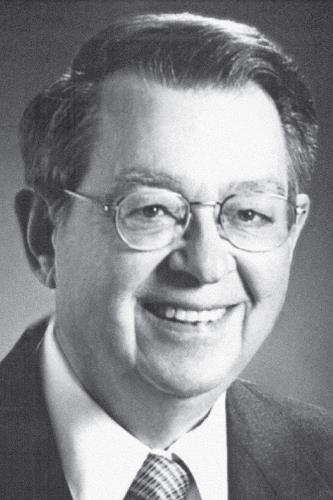
Interview with Keyboard Composer of the Month: Robert J. Powell

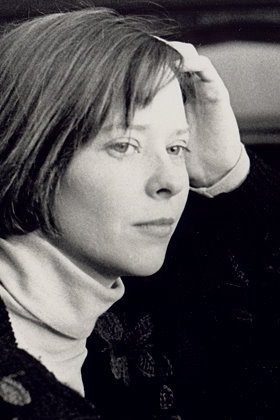
Robert Powell

Robert J. Powell (b. 1932) spent his career serving churches across the Southern and Eastern United States regions, and currently serves as organist at Trinity Methodist Church in Greenville, SC. He earned his Bachelor of Music in Organ and Composition from Louisiana State University and his Master of Sacred Music from Union Theological Seminary School of Sacred Music, New York. Powell also holds Certificates of Fellow (FAGO) and Choirmaster (ChM) from the American Guild of Organists. Mr. Powell has approximately 300 works in print for choral, solo, organ, handbells, and instrumental ensembles in major American and English church music publishers.

1. How did you get involved with music?

In my rural Mississippi hometown, the first music I heard was gospel hymns and the original Delta Blues. My grandmother played piano pieces like The Shepherdess’ Dream and Fifth Nocturne by J. Laybach (I wondered about the other four). Organ lessons consisted of bi-weekly sessions of one-hour organ study and another two hours of composition lessons. By the end of high school, I had written a march, complete with the “dogfight” followed by the last strain.

The first SATB choir I heard was the LSU Concert Choir. At LSU, I harmonized Bach chorales, played on every orchestral instrument, and played clarinet in the band. The US Army sent me to Japan where I became organist/choir director of the chapel; singers were Japanese women and American soldiers. At the Union Seminary School of Sacred Music, I was assigned to be organist/choir director of a small church which had two anthems in their library – Wallingford Rieger’s Easter Passacaglia in 16 parts and See ye the Lord by J. Varley Roberts. I wrote a lot of music for my small choir then!

I was the Assistant Organist at the Cathedral of St. John the Divine, New York (2years), organist/choir director at St. Paul’s Episcopal Church, Meridian, MS (6 years), and held the same position at St. Paul’s School, Concord, NH (3 years), and Christ Church Episcopal, Greenville, SC (34 years); I am now organist at Trinity United Methodist Church in Greenville, SC (13 years).

2. Is there a method you use to find inspiration for new music? What’s your process for writing music?

Sometimes a text will suggest a motive or tune. The most difficult thing is to find some motive or tune; after this, the rest can be more easily completed.

3. Your catalog features a variety of works for organ and choirs. Do you use different techniques when preparing to compose for different genres?

I try to think how it will sound when the choir sings with the organ or other instruments. I am aware of the ranges of the instruments – and this includes the organ. I use the upper and lower ranges of the organ and do not always write music in the middle of the keyboard.

4. What do you enjoy most and least about working as a composer?

I most enjoy thinking about how to deal with the initial motive or thought. I also enjoy the physical activity of placing the music first on paper, then on the computer’s music program. All the music I write is composed at the piano or organ.

I least enjoy having to re-write parts of the piece with which I am unhappy.

5. What advice would you give to aspiring church composers?

These things work for me; they may not be useful to everyone who writes music:

Write fast, correct later. Invent a short-hand way of putting the music on paper. Do not make changes when correcting that may destroy the original thought. Your style should remain consistent throughout the piece – not a mixture of Brahms, Messiaen, Elgar, or others, including yourself. Morning works best for me.

It is okay to work on more than one composition at one time; in this instance, however, focus strongly on one of the two or three others. Ask a choir, soloist, or organist to sing or play your pieces for you. Write as much of the piece as you can in one session.

6. What can you be found doing when you’re not writing new music?

I like to swim at the local YMCA and walk in a nearby park. My wife and I participate in many activities; attend theater presentations, orchestra and organ concerts, and take short vacations away from it all.

7. Is there any recent or upcoming news you’d like to share?

I am looking forward to hearing a short piece of mine for the three organs in Christ Church. There is a large pipe organ in the balcony, a sizable electronic near the altar, and a small tracker in a side chapel.

If someone should ask me, “What do you do?” I would reply that I write tunes and play hymns. And I would have it no other way!
Click here to learn more about Robert J. Powell.

Recent David Conte performances: New Zealand premiere, California, & Indiana

Recent performances across the globe included David Conte‘s choral, vocal, and orchestral repertoire.

  • August 13, 2017: Inspirare, Wellington, New Zealand’s professional choir, premiered Invocation and Dance by Conte under the direction of Mark Stamper. Based on a text drawn from Walt Whitman’s “When Lilacs Last at the Dooryard Bloom’d,” Invocation and Dance is a hymn to nature and the place of death within the cycle of life on earth. 

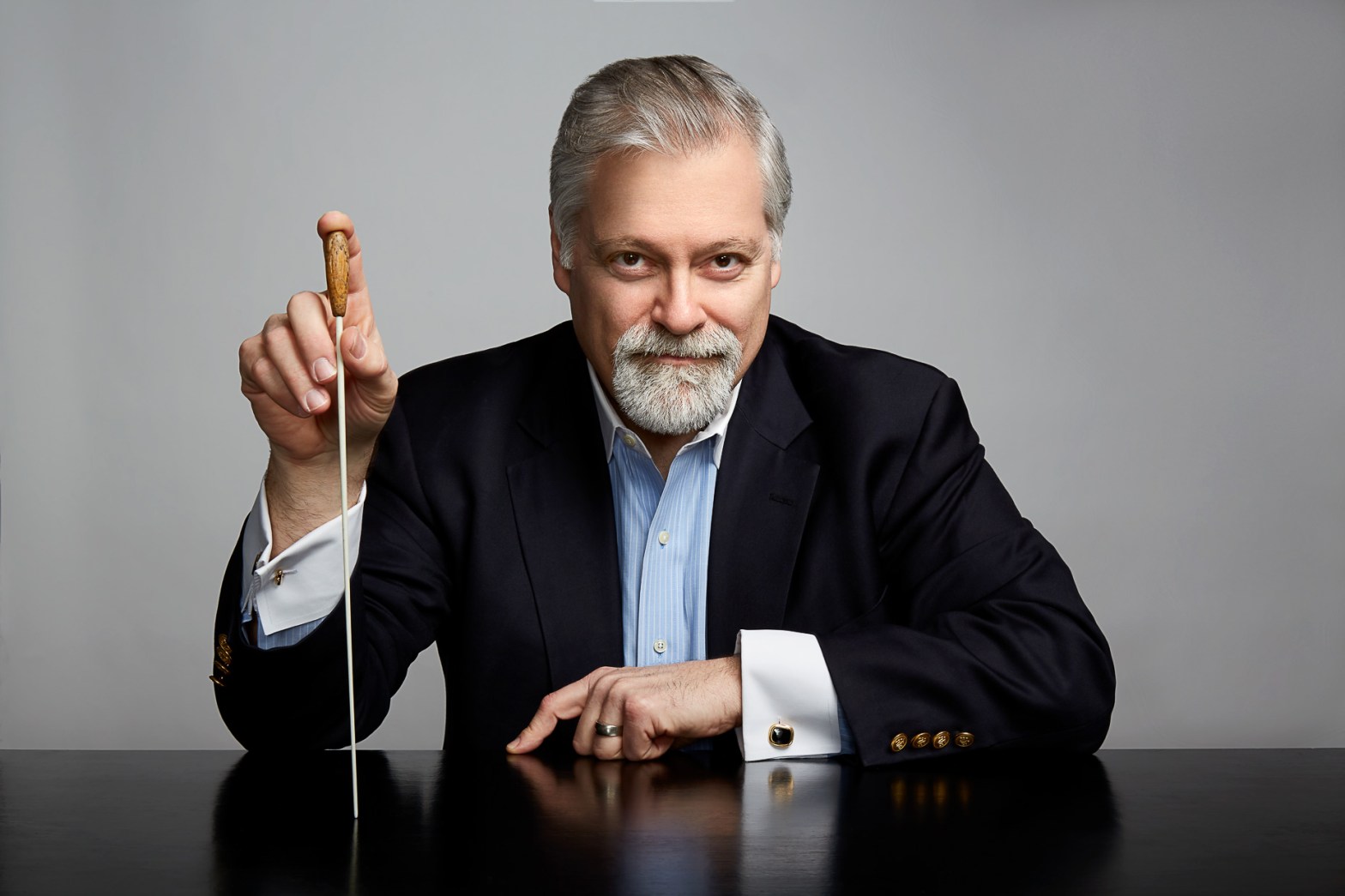
    Mark Stamper
    Mark Stamper
  • August 17, 2017: Soprano Natalie Mann and pianist Bridget Hough performed Conte’s Sexton Songs at St. Bede’s Episcopal Church, Mar Vista, CA. The collection features five poems written over Anne Sexton’s fifteen-year career.
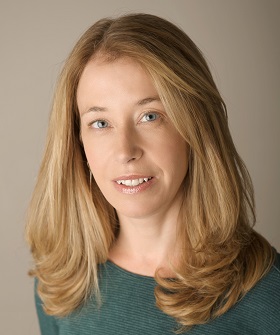
    Natalie Mann
    Natalie Mann

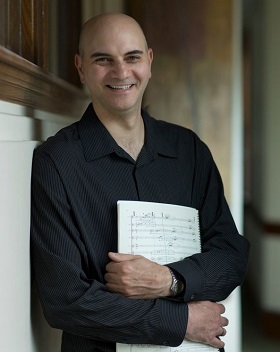
    Bridget Hough
    Bridget Hough
  • September 9th, 2017: Conductor Erik Rohde led the Salomon Chamber Orchestra in a performance of Conte’s Sinfonietta for classical orchestra.

Juliana Hall September Performances

Several works from Juliana Hall‘s vocal catalog were featured in performances in September.

  • On Sunday, September 17, East Granby Congregational Church’s Friends of Music Concert Series presented a concert featuring Bridget Scarlato, soprano, and Juliana Hall, piano. The duo  performed the song cycle Syllables of Velvet, Sentences of Plush, a song from Upon This Summer’s Day, and one song from Christina’s World.
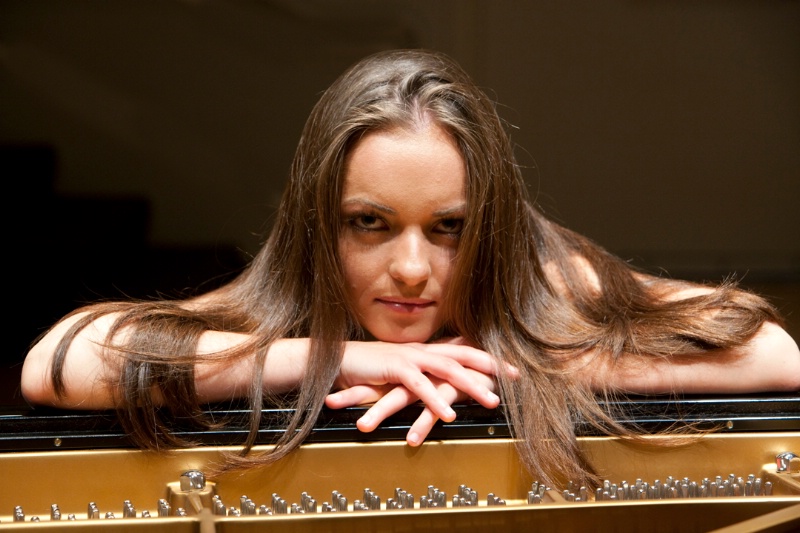
Bridget Scarlato
Bridget Scarlato
  • On Thursday, September 21, selections from Hall’s Night Dances were featured in a guest voice recital at Indiana University at South Bend. Soprano Amy Petrongelli and pianist Mariah Boucher were the performing artists.
Amy Petrongelli
Amy Petrongelli
Mariah Boucher
Mariah Boucher


For more information about Juliana Hall’s art song catalog, click here.

Gwyneth Walker: Composer-in-Residence with Great Lakes Chamber Orchestra

The Great Lakes Chamber Orchestra and Chorus, Petoskey, MI, named Gwyneth Walker as Composer-in-Residence for the 2017 – 2020 seasons. The ensemble scheduled several upcoming performances of her music in upcoming concerts, including the 2020 premiere of Walker’s new cantata The Great Lakes. The work was originally commissioned by the Toledo Choral Society in honor of their centennial season in 2020.

On September 23, the Great Lakes Chamber Orchestra brings to life the music of Spain featuring Walker’s La Ternura (Tenderness) for Soprano, oboe, percussion, and string orchestra. Soprano Amy Joy Cross joins the orchestra to perform the piece.


La TernuraLa Ternura (Tenderness) is a set of songs based on the poetry of Chilean poet Gabriela Mistral (1889-1957). Mistral (a pseudonym for Lucila Godoy y Alcayaga) was an active poet, educator, and diplomat; she was the first Latin American to win the Nobel Prize in Literature (1945).

The poems are found in a set entitled “Ternura” (Tenderness) published in 1923. These are songs of mother to son. However, the message of maternal care is colored by many personal losses in the poet’s life – the death of family, lovers and even an adopted son. And surrounding the creation of the poems was the ever-present fear arising from the political unrest in Chile. Thus the mother, as she rocks her son to sleep, sings, “I who have lost everything am now afraid to sleep.”

The six songs in La Tenura range from tender, to occasionally entertaining, to intense and tragic. At the end of the cycle the mother dreams of the day that her child will leave the earth and be carried up to Heaven. “Lift up your face, my son, and receive the stars.”

Description by Gwyneth Walker.

Click here to learn more.

Musica Harmonia performs chamber music of Gywneth Walker

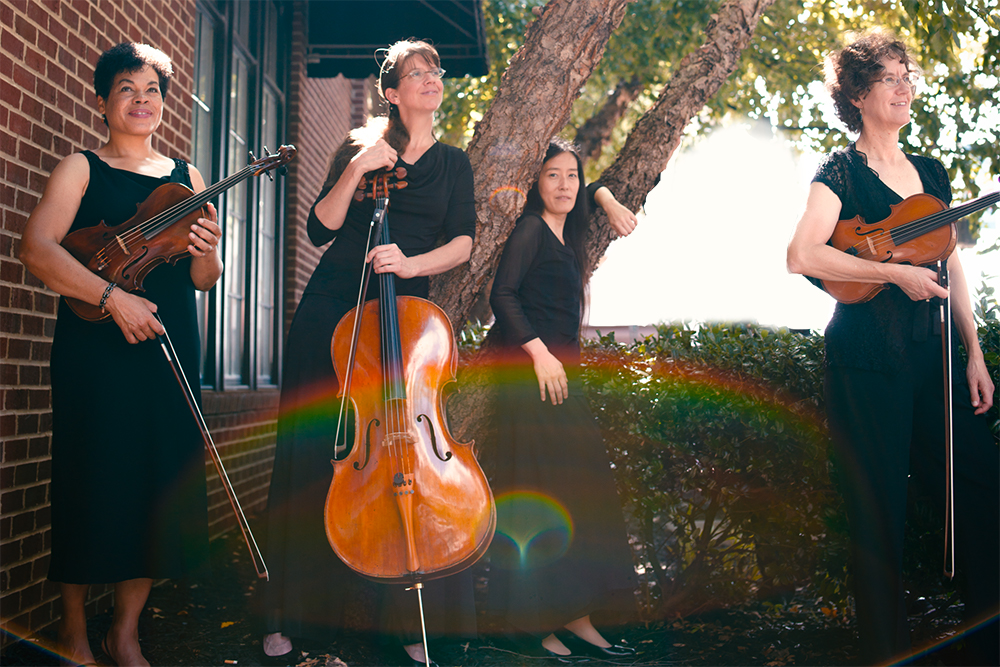
Chamber ensemble Musica Harmonia performs Gwyneth Walker‘s When the Spirit Sings (2011), commissioned by the ensemble, on September 30 at Eastern Mennonite University. Formed in 2007 by members Joan Griffing (violin), Beth Vanderborgh (cello), Diane Phoenix-Neal (viola) and Naoko Takao (piano), the group dedicates itself to promoting peace and cultural understanding through music collaboration.


When the Spirit Sings is a set of three American spirituals arranged for string trio. The intent was to select songs with a variety of character – soulful, energetic, mournful and rhythmic – and present them in new ways through idiomatic string writing. The “voices” of the strings are well-suited to the language of spiritual songs.

In all three movements, the original tunes are shared between the strings, with the other players providing accompaniment. And then, “excursions” away from the basic melody occur. In “My Lord, What a Morning,” a middle section moves into the minor mode, with the violin playing a variation of the theme marked “soulfully.” The viola follows with a further “offshoot” of the melody. This leads to a closing section which crosses back and forth between the major and minor modes (in blues style). One might hear an expression of the lyrics “My Lord, what a morning, when the stars begin to fall!” in the cascades of descending scales.

The second movement is an arrangement of the very poignant spiritual, “Were You There When They Crucified My Lord?” The strings are muted, with sorrow. A background pattern introduced by the viola and cello may be heard as sobbing rhythms. Motives similar to these are heard throughout this movement. Patterns which express sobbing or falling tears form the essence of the music. At the end, the viola and violin ascend, as the soul rising to heaven.

“This Train” is an energetic, rhythmic movement. Although the energy is controlled at the start, activity increases by the second verse (viola theme), as the “outer” instruments scurry up and down the track. Later, chords build up in pyramid fashion with a crescendo and accelerando leading to a raucous finale. The train then slides (in glissando) to a halt at the end.

“This Train (is bound for glory)” was created while the composer was riding her local train, the “Vermonter,” to a concert in New Haven, CT. The “Vermonter” derailed upon the return trip. But the music is expected to stay “on track!”

Description by Gwyneth Walker.

Click here to learn more.


Musica Harmonia and Centuar Records released a complete recording of music by Gwyneth Walker. When the Spirit Sings: Chamber Music of Gwyneth Walker is available here. 

Elena Ruehr: work for voice & string quartet performed in Boston concert series

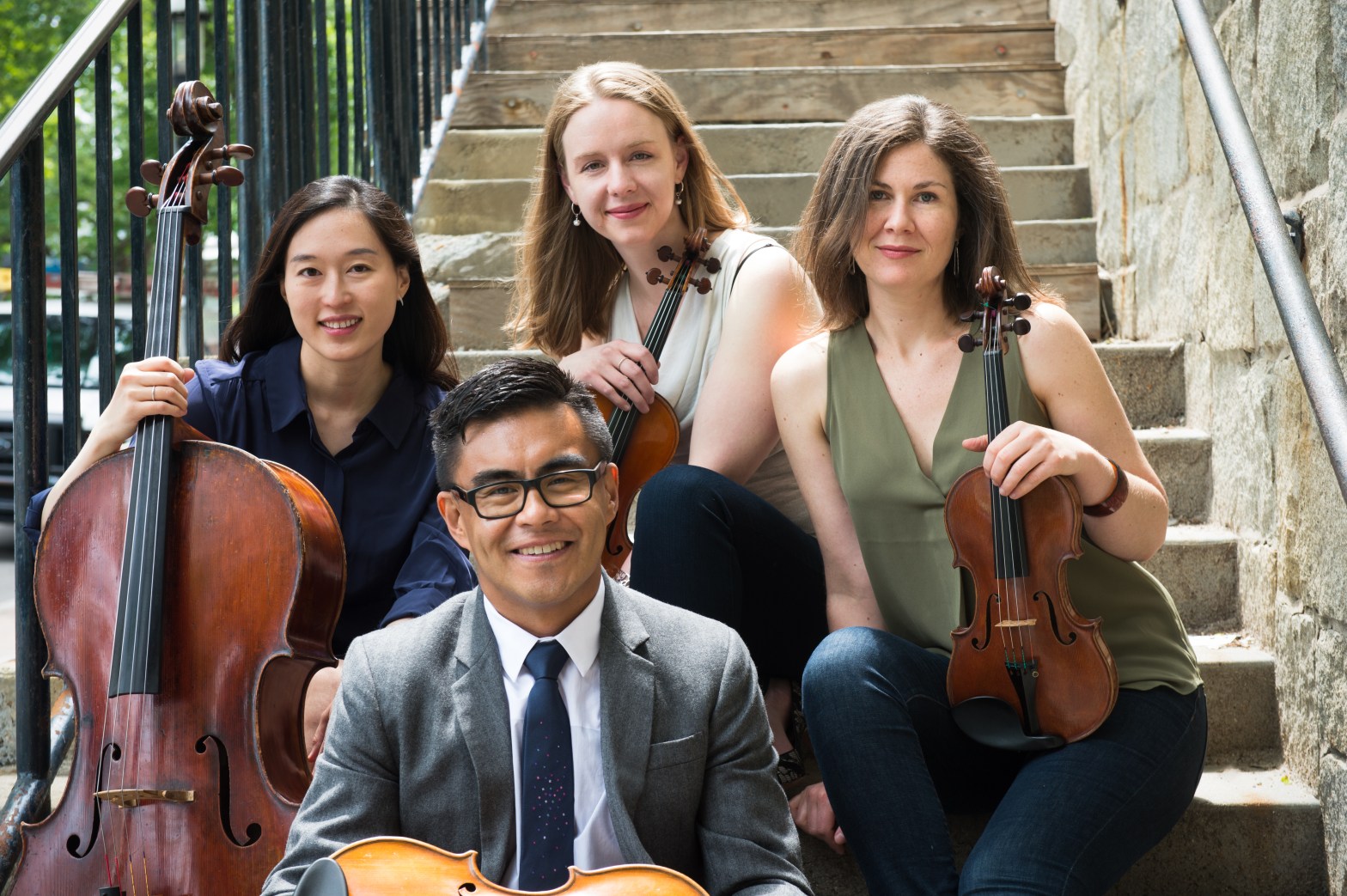
Emmanuel Church of Boston’s “Late Night at Emmanuel” series presents a cabaret-style concert, including the performance of A Supermarket in California by Elena Ruehr. Written for baritone and string quartet, text author Allen Ginsberg bases the words on thoughts by Walt Whitman. The poem describes an imaginary encounter between the poet and Walt Whitman, whom Ginsberg greatly admired, as Whitman wanders around a supermarket, then out into the night, and finally to the Greek underworld. The work, written in 2016, will be performed by the commissioning artists: David Kravitz, baritone, and the Arneis Quartet. The concert takes place September 23.

Source: Late Night at Emmanuel: Howl Tickets

Cory Schantz performs Daron Hagen song cycle

Cory Schantz
Cory Schantz

Baritone Dr. Cory Schantz will perform Daron Hagen‘s cycle Songs of Experience alongside the music of Jacques Ibert, Wolfgang Amadeus Mozart, Erich Wolfgang Korngold and Mitch Leigh. The performance is part of a Guest Faculty Voice Recital at the University of South Alabama on September 24. Songs of Experience are six musical settings of texts by Walt Whitman, Gardner McFall, Sara Teasdale, Stephen Dunn, Emily Lawless, Emily Dickinson.Dr. Cory Schantz, baritone, is Director of Opera and Assistant Professor of Voice at Reinhardt University in Waleska, Georgia. His teachers have included Marilyn Horne, Sharon Mabry, John Gillas, Kenneth Shaw, and Linda DiFiore. He has sung under the batons of notable conductors such as Arthur Fagen, Joseph Resigno, Craig Kier, and Keith Chambers.

Dr. Schantz maintains an active career as a performer both on the stage and in the concert hall. He has appeared in principal roles with Tulsa Opera, Atlanta Opera, Baltimore Opera, First Coast Opera, and Wichita Grand Opera. He will make his Opera Birmingham debut in 2017, singing the role of Capulet in Gounod’s Roméo et Juliette. He has recently appeared as soloist with Rome (GA) Symphony Orchestra, Johns Creek Symphony Orchestra. Dr. Schantz will perform recitals at Middle Tennessee State University and Austin Peay State University in February 2017.

Source: Songs of Experience — Daron Hagen

Ann Patchett’s “Bel Canto” inspires new string quartet by Elena Ruehr

Elena Ruehr collaborated with the San Francisco-based Cypress String Quartet to create her fifth string quartet. Named after the book which served as the work’s inspiration, Bel Canto by Ann Patchett, this 10-movement piece receives its world premieres September 20 (San Francisco) and 24 (Saratoga).

Cypress String Quartet

Bel Canto is based on the Japanese embassy hostage crisis (1996-1997) in Lima, Peru. The story focuses on both terrorists and the hostages, including business executives, powerful politicians, and a fictional soprano named Roxane Coss, who have gathered for a birthday party at the home of the vice president of an unnamed Latin American country. As the party draws to a close, members of a terrorist organization break into the house looking for the President, only to find him absent from the event. The terrorists make the impromptu decision to take the entire party hostage. Throughout the next months, unlikely friendships and romantic relationships form among the hostages and their captors. Eventually, the hostages are saved and all terrorists killed in a raid by the government.

In an interview with The Mercury News, Ruehr explains how transfixed she was by Patchett’s “transformation of a dark subject into something ‘that’s rarefied.”

“She takes this horrible thing, and turns into something rare and beautiful, and uses opera to put it out there. And she elevates all of her characters to this beautiful place, without dumbing it down. It’s a very smart, idealistic book.”

Source: Ann Patchett’s novel ‘Bel Canto’ has inspired a new string quartet by Elena Ruehr – The Mercury News

Human rights prize ceremony features music of Kareem Roustom

In a concert and awards ceremony for the Nürnberg Human Rights Prize 2017,  Marcus Bosch conducts the Nürnberg State Philharmonic Orchestra on a program that includes the German premiere of Ramal for orchestra and Dabke.  The 2017 Nürnberg Human Rights Award will honor the “Group Caesar,” who published photos of people tortured to death in Syrian prisons.  “Caesar” is the cover name of a former Syrian military photographer who brought over 50,000 photographs from the country, including 28,000 pictures of prisoners killed and injured from torture, illness, malnutrition, or other ill-treatment in Syrian prisons. The awards ceremony on September 24 highlights performances of works by Syrian composers.

The Nürnberg State Philharmonic Orchestra is the largest orchestra in Metropolitan Nürnberg, and the second largest opera and concert orchestra in Bavaria. In addition to about 150 opera and ballet performances in the Nürnberg State Opera House, the ensemble contests eight annual philharmonic concerts in the Meistersingerhalle, numerous special projects and children’s concerts. Since 1999, it has been the largest European concert hall venue with over 70,000 visitors.
The musical history of Nürnberg reaches back to 1377. In the Baroque period, Nürnberg was one of the centers of the German opera. From 1801, Nürnberg city musicians were continually drawn to performances at the new Nürnberg National Theater. After the new building of the opera house opened in 1905, the City Theater Orchestra formed (1922). Hans Gierster, Christian Thielemann, Eberhard Kloke, Philippe Auguin, and Christof Prick were the main music directors of the time. Numerous premieres of composers such as Boris Blacher, Hans Werner Henze, Wilfried Hiller, Paul Hindemith, Wilhelm Killmayer, György Ligeti, Krzysztof Penderecki, Aribert Reimann, Isang Yun, Hans Zender, and Bernd Alois Zimmermann were entrusted to the orchestra during this time. Over the years, the orchestra traveled to Salzburg, Nice, New York, and Hong Kong Arts Festival. One of the major international events was the first performance of the opera The Ring of the Nibelung in China.
Marcus Bosch
Marcus Bosch

With the appointment of General Music Director Marcus Bosch in 2011, the orchestra grew to 91 members and awarded the name Nürnberg State Philharmonic Orchestra. In the coming years, the ensemble plans to record the complete symphonies of Antonín Dvořák. The first two CDs in this recording project are internationally recognized. In recent years, the ensemble also released a DVD performance of Richard Wagner’s Die Meistersinger von Nürnberg and broadcasted Wagner’s Tristan und Isolde nationwide in more than 50 cinemas.

Chamber Music on the Fox presents film score by Daron Hagen

On September 23, pianist Yana Reznik joins Chamber Music on the Fox in a live performance of Daron Hagen‘s Piano Concerto, No. 2: Chaplin’s Tramp. The performance occurs alongside a screening of Charlie Chaplin’s silent film, The Tramp, as part of the Elgin Short Film Festival. Hagen wrote the new score for the centennial of the classic film.

Founded by Elgin Symphony Orchestra musicians Mark Fry and Sara Sitzer, Chamber Music on the Fox is a world-class chamber music series serving Elgin and the greater Fox Valley region, whose mission is to oresent engaging, enriching, and immersive performances and cultural experiences that enhance and enrich the cultural offerings of the area. Their fourth season includes performances by many of the finest artists in Chicago and the Fox Valley regions. For more information, see www.ChamberMusicOnTheFox.org.

Source: Piano Concerto No. 2: Chaplin’s Tramp — Daron Hagen

Design a site like this with WordPress.com
Get started